
Travel Opportunities Beyond Traditional Tourist Attractions
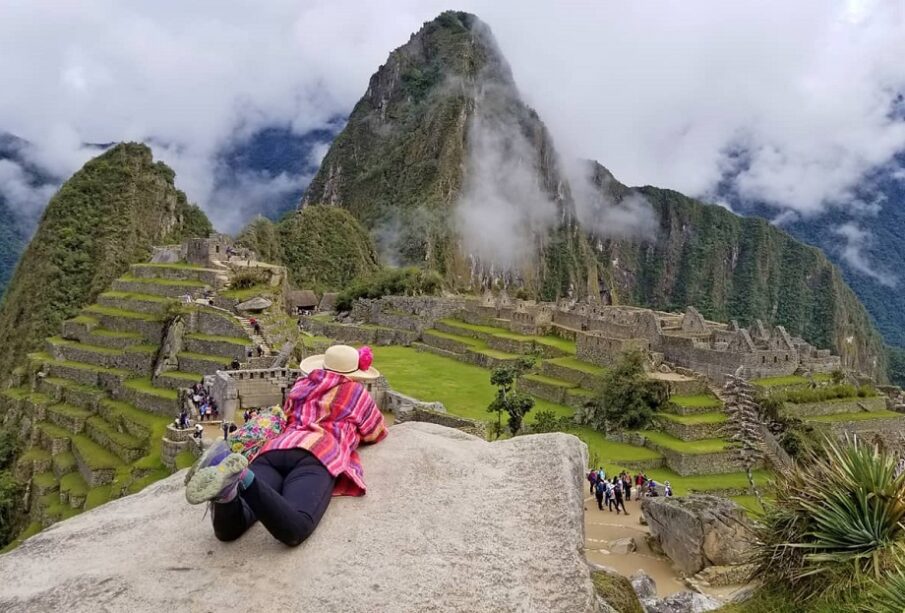
The global travel landscape is experiencing a profound behavioral shift. For decades, international tourism relied on a highly standardized itinerary model, where travelers migrated in dense groups toward iconic landmarks, historic monuments, and heavily commercialized resort zones. While these traditional attractions hold undeniable historical value, their extreme popularity has created a phenomenon of over-tourism that frequently sanitizes the cultural experience.
Modern travelers are increasingly seeking alternatives to these hyper-commercialized corridors. They are prioritizing authentic engagement, environmental immersion, and cultural exchange over the passive consumption of famous sights. Exploring travel opportunities beyond traditional tourist attractions allows individuals to build a deeper connection with the world, directly supports localized economies, and restores the genuine spirit of exploration.
The Mechanics of Geographically Decentralized Travel
Shifting away from primary tourist hubs requires a deliberate change in logistical planning. Geographically decentralized travel involves bypassing major capital cities and famous resort provinces in favor of secondary or tertiary destinations. This approach uncovers landscapes and communities that remain structurally unchanged by mass commercial tourism.
Discovering the Value of Secondary Cities
Many nations possess secondary urban centers that serve as the true cultural or industrial heart of the region, yet they receive a fraction of the international foot traffic seen by capital cities. These municipalities offer an authentic look at contemporary local life, featuring vibrant regional arts scenes, local culinary traditions, and historic architecture that is integrated into daily life rather than preserved behind a ticket counter. Traveling through these areas allows for more relaxed, spontaneous interactions with residents.
Embracing Rural and Agricultural Immersion
The rural interior of a destination often holds the deepest cultural traditions of a society. Agritourism opportunities allow travelers to reside on working farms, orchards, or vineyards, participating directly in traditional cultivation and culinary practices. Whether learning ancestral cheese-making techniques in a remote European valley or understanding sustainable rice cultivation in Southeast Asia, agricultural travel transforms a passive vacation into an active, educational exchange.
Navigating Underrated Natural Ecosystems
Famous national parks and coastal reserves frequently face ecological strain due to high visitor volumes. Bypassing these crowded locations opens the door to pristine, under-the-radar natural habitats. Choosing lesser-known mountain ranges, isolated marine sanctuaries, or vast wetlands provides travelers with quiet landscapes where wildlife can be observed undisturbed, and natural silence can be truly experienced.
Cultivating Cultural Stewardship Through Community-Based Tourism
Community-based tourism represents a powerful structural alternative to corporate-managed travel. In this model, local communities manage the tourism infrastructure, ensuring that the economic benefits generated by visitors flow directly into the local neighborhood rather than foreign hospitality conglomerates.
-
Sustaining Indigenous Traditions: Engaging with community-led initiatives provides a clear window into indigenous life without exploiting the host community. Travelers can learn about traditional craftsmanship, linguistic heritage, and ecological management directly from community elders, fostering deep cross-cultural respect.
-
Direct Economic Reinvestment: When travelers stay in community-owned guest houses, dine at neighborhood cooperatives, and hire local independent guides, their financial investment goes directly toward funding local education, healthcare, and infrastructure projects. This creates a sustainable economic model where conservation and cultural preservation become highly profitable for the residents.
-
The Normalization of Slow Travel: Community-based options naturally encourage a slower, more deliberate travel cadence. Instead of checking off multiple destinations in a single week, travelers spend extended periods in a single location, allowing them to comprehend the complex social dynamics, oral histories, and daily rituals of the host community.
Industrial and Architectural Archeology Exploration
An increasingly fascinating avenue for travel beyond traditional sightseeing involves the study of industrial archeology and abandoned architectural landscapes. This form of exploration focuses on the structures created by human industry, transport, and habitation that have been left behind by shifting economic cycles.
Exploring decommissioned railway networks, abandoned mining communities, and repurposed industrial complexes offers a stark, unfiltered look at human history. Many regions have transformed these defunct spaces into open-air museums or public art parks, blending historical preservation with creative modern design. This focus allows travelers to understand the socioeconomic evolution of a region through its physical infrastructure, providing a gritty, authentic counter-narrative to the manicured histories presented in traditional museums.
Specialized Voluntourism and Scientific Collaboration
For travelers who desire their journey to yield tangible global benefits, specialized voluntourism and citizen science programs offer an incredible path forward. This travel format moves away from superficial volunteer work, pairing individuals with professional researchers, conservationists, and non-profit organizations to execute long-term scientific initiatives.
Participants might spend weeks collecting marine telemetry data on coral reef health, tracking wildlife migration patterns in arid savannas, or assisting archeological teams in mapping newly discovered historical structures. These programs demand a high level of personal dedication and labor, but they reward the traveler with specialized training, exclusive access to remote field locations, and the profound satisfaction of contributing directly to the preservation of planetary biodiversity and human knowledge.
Frequently Asked Questions
How can a traveler independently verify the ethical validity of a community-based tourism initiative?
Verifying the validity of a community-led initiative requires looking past superficial marketing claims to evaluate the organizational structure. Travelers should investigate whether the business is owned, operated, and governed by local residents rather than an external corporate entity. Legitimate community initiatives will display absolute financial transparency regarding how revenue is distributed, ensuring a clear percentage of all profits directly funds local public infrastructure or communal savings accounts.
What strategies mitigate the linguistic and communication barriers encountered in non-tourist regions?
Navigating regions devoid of English-speaking tourism infrastructure requires proactive communication strategies. Travelers should dedicate time to learning baseline functional phrases of the local language, covering navigational requests, dietary requirements, and basic social greetings. Utilizing offline digital translation tools, carrying physical maps, and relying on universal non-verbal gestures can bridge communication gaps effectively while displaying humility and respect to the host community.
How does decentralized travel impact the carbon footprint of an international journey?
While the long-haul flights required for international travel emit significant carbon, decentralized travel significantly reduces localized environmental strain. By avoiding hyper-congested cities, travelers minimize their contribution to urban resource depletion, waste management crises, and localized pollution spikes. Furthermore, decentralized itineraries often rely on public regional transit systems, trains, or small-scale local transport, which operate with much higher environmental efficiency than private tour buses.
What unique medical and safety preparations are required for travel to remote secondary destinations?
Traveling beyond established tourist corridors mandates thorough medical self-reliance. Because advanced medical facilities may be hours away, travelers must carry a comprehensive first-aid kit containing broad-spectrum antibiotics, rehydration salts, and necessary personal prescriptions. Securing specialized international travel insurance that includes emergency medical evacuation coverage is absolutely vital, as is obtaining specific regional immunizations well in advance of departure.
How can travelers avoid inadvertently introducing consumerist pressures into pristine rural communities?
Preserving the social fabric of rural communities requires high cultural awareness from visitors. Travelers should avoid flaunting expensive electronic devices, high-end fashion items, or excessive currency, which can foster economic resentment or introduce transactional mindsets into traditionally communal cultures. Adhering to local dress codes, respecting private property boundaries, and practicing local bartering customs without aggressive negotiation ensures your presence remains a positive, non-disruptive experience.
Why do secondary and tertiary destinations often provide superior culinary experiences compared to primary cities?
Primary tourist zones often alter traditional recipes to accommodate a generic international palate, or they rely on mass-produced, imported ingredients to serve high volumes of consumers. In contrast, secondary cities and rural areas rely almost exclusively on hyper-local agricultural supply chains and ancestral cooking methods. Dining in these regions allows travelers to experience authentic flavor profiles, unique regional spices, and seasonal dishes that are rarely exported beyond the immediate provincial borders.


