
The Benefits of Yoga for Better Sleep Quality and Nighttime Relaxation
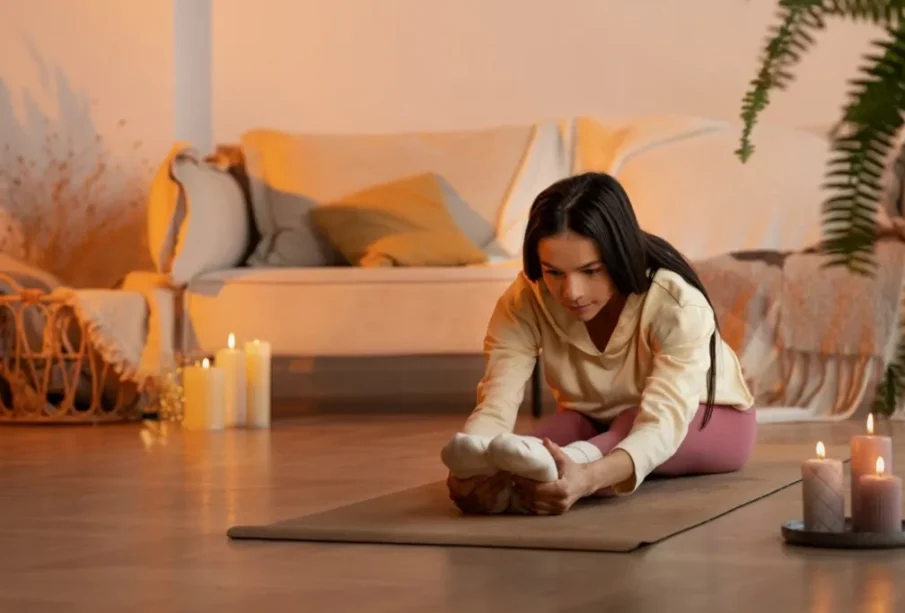
Modern society faces a pervasive epidemic of sleep deprivation. High stress levels, constant digital connectivity, and sedentary lifestyles have severely compromised the natural human sleep cycle. While many individuals turn to over the counter sleep aids or complex evening supplements to force their bodies into a state of rest, these solutions often fail to address the root causes of insomnia. To achieve sustainable, high quality rest, the body and mind must be naturally coaxed out of their daily state of high alert. Yoga provides a highly effective, scientifically supported framework for achieving this exact transition.
By integrating mindful movement, controlled breathing, and intentional mental focus, yoga systematically dismantles the physical and psychological barriers to sleep. Understanding how this ancient practice alters human physiology and cognitive function reveals why it has become a premier strategy for optimizing nighttime relaxation.
The Physiological Mechanics of Yoga and Sleep
The human nervous system operates on a spectrum between two primary states. The sympathetic nervous system drives the fight or flight response, elevating the heart rate and flooding the bloodstream with stress hormones like cortisol. Conversely, the parasympathetic nervous system governs the rest and digest functions, slowing the heart rate and preparing the body for recovery.
Throughout a typical workday, traffic, deadlines, and digital notifications keep the sympathetic nervous system locked in a state of chronic activation. If this state persists into the evening, falling asleep becomes chemically impossible. Yoga serves as a deliberate physiological override. Deep, diaphragmatic breathing techniques practiced during a sequence stimulate the vagus nerve, which acts as the master control switch for the parasympathetic nervous system. As the vagus nerve activates, cortisol production plummets, heart rate variability improves, and blood pressure stabilizes. This chemical shift signals to the brain that the environment is safe, prompting the natural release of melatonin, the hormone responsible for regulating the sleep and wake cycle.
Relieving Muscular Tension and Physical Stress
Physical discomfort is a primary driver of sleep disruption. Prolonged periods of sitting at a desk, hunching over a computer, or commuting in a vehicle cause major muscle groups to contract and shorten. This chronic physical tension frequently manifests as lower back pain, tight hip flexors, and severe neck stiffness. When you lie down in bed, these tight muscles continue to send distress signals to the brain, preventing deep physical relaxation and causing you to toss and turn.
An evening yoga practice targets these exact areas of accumulated physical stress. Gentle stretching elongates muscle fibers and releases the fascia, which is the web of connective tissue encasing the muscles. Poses that incorporate forward folds, gentle spinal twists, and hip openers physically wring out the tension stored in the body. As the physical restriction dissolves, blood circulation improves, delivering oxygen to fatigued tissues and flushing out cellular waste products. By the time the physical practice concludes, the body feels lighter, expansive, and completely prepared to rest in a static position for eight hours.
Calming Cognitive Hyperarousal
Perhaps the most frustrating barrier to sleep is the phenomenon of cognitive hyperarousal, commonly experienced as a racing mind. As the physical environment quiets down at night, the brain often takes the opportunity to replay the events of the day, analyze upcoming obligations, or dwell on generalized anxieties. This mental clutter generates active beta brain waves, keeping the mind alert and preventing the transition into the slower alpha and theta brain waves required for the first stages of sleep.
Yoga demands present moment awareness. When an individual is moving through a sequence, their cognitive attention must be anchored to the physical sensations of their body and the rhythm of their breath. This focused attention interrupts the cycle of anxious rumination. By demanding mental presence, yoga effectively acts as a moving meditation, clearing the mental slate. As the mental chatter subsides, the brain transitions out of hyperarousal, allowing the psychological architecture to surrender to the natural fatigue of the body.
The Most Effective Yoga Styles for Evening Routines
Not all forms of yoga are conducive to nighttime relaxation. Fast paced, heat building practices like Vinyasa or Ashtanga can actually stimulate the cardiovascular system and wake the body up. To optimize sleep quality, practitioners must select styles specifically designed to downregulate the nervous system.
-
Restorative Yoga: This style focuses entirely on passive relaxation. Practitioners use extensive props such as bolsters, blankets, and blocks to support the body completely in various postures. Because the muscles do not have to work to hold the pose, the body can release deeply held tension while the mind drifts into a state of profound stillness.
-
Yin Yoga: Yin is a slow paced style where seated and supine poses are held for extended periods, usually ranging from three to five minutes. This sustained pressure targets the deep connective tissues rather than the superficial muscles, releasing stagnant physical tension and improving overall joint mobility, which greatly reduces nighttime physical discomfort.
-
Yoga Nidra: Often referred to as yogic sleep, this practice involves lying completely still in a resting pose while listening to a guided meditation. The instructor guides the practitioner through a detailed body scan, promoting a state of consciousness that hovers right on the border between waking and sleeping. It is highly effective for individuals suffering from severe insomnia or trauma.
Establishing a Consistent Nighttime Yoga Practice
The benefits of yoga for sleep are cumulative. While a single session will provide immediate relaxation, profound changes in sleep architecture require structural consistency. Developing a sustainable evening routine involves setting clear boundaries and optimizing the physical environment.
To maximize the benefits, the practice should occur thirty to sixty minutes before your intended bedtime. The room should be optimized for sleep preparation, featuring dim lighting, a cool temperature, and the absence of digital screens. Consistency in duration is more important than intensity. A dedicated fifteen minute routine performed every single night is vastly superior to a strenuous ninety minute class performed erratically. By repeating the exact same sequence of relaxing postures each evening, you create a powerful behavioral cue. Over time, classical conditioning takes effect, and the mere act of rolling out the yoga mat will instantly signal to your brain that it is time to shut down and prepare for deep rest.
Frequently Asked Questions
Should I eat before doing a nighttime yoga routine?
It is best to practice on a relatively empty stomach to prevent digestive discomfort and acid reflux, especially since evening routines involve lying down or gentle twists. You should ideally finish your last major meal two to three hours before beginning your practice. If you are excessively hungry, a very small, easily digestible snack like a banana or a handful of almonds is acceptable thirty minutes prior.
How long does it take to see improvements in sleep quality after starting yoga?
While many individuals experience a deeper sense of calm and fall asleep faster on the very first night of practicing, structural changes to your sleep cycle take time. Most clinical observations suggest that practicing a gentle routine consistently for four to six weeks is required to see significant, measurable improvements in total sleep duration and a reduction in middle of the night awakenings.
Can practicing yoga in bed ruin sleep hygiene?
Strict sleep hygiene principles state that the bed should be reserved exclusively for sleep to build a strong psychological association. However, very gentle, non weight bearing poses can be an exception. If rolling out a mat on the floor feels like too much effort and prevents you from practicing, doing a few seated stretches or deep breathing exercises directly in bed is far better than doing nothing at all.
Is it safe to do inversions right before going to sleep?
Active inversions like headstands or handstands should be strictly avoided before bed, as they elevate the heart rate and flood the brain with highly oxygenated blood, which is overly stimulating. However, passive and supported inversions, such as resting your legs up the wall while lying flat on your back, are incredibly beneficial. This specific gentle posture drains fluid from the lower extremities, lowers the heart rate, and strongly activates the parasympathetic nervous system.
Does yoga help with diagnosed sleep apnea?
Yoga cannot cure structural sleep apnea, which frequently requires medical intervention and specialized breathing machines. However, the deep diaphragmatic breathing techniques learned in a regular practice can strengthen the muscles of the respiratory system and throat. Additionally, the stress reduction provided by the practice can help individuals manage the intense daytime fatigue and anxiety that often accompany a sleep apnea diagnosis.
What should I wear during an evening yoga session?
Your clothing should be as unstructured and comfortable as possible. Avoid tight athletic wear with heavy compression, thick elastic waistbands, or synthetic fabrics that trap body heat. Loose fitting cotton or bamboo pajamas are ideal, as they allow for unrestricted abdominal expansion during deep breathing exercises and prevent your body temperature from spiking before bed.
Can I substitute nighttime yoga with regular stretching?
While basic athletic stretching is excellent for muscular flexibility, it lacks the holistic integration of yoga. Standard stretching typically ignores the deliberate regulation of the breath and the required mental focus on present moment awareness. Without the synchronized breathing techniques that specifically target the nervous system, isolated stretching will not produce the same profound chemical transition into the sleep state.


